
Blog Post
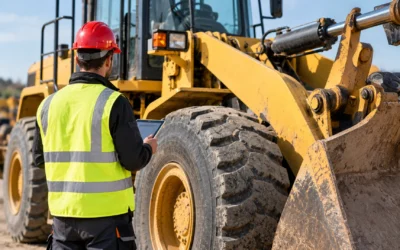
Why Do Heavy Equipment Hydraulics Get Weak When Hot?
A loader, excavator, skid steer, forklift, or other heavy machine may work normally when first started, then develop slower, weaker, or less responsive hydraulic functions after operating for a while. Heavy equipment hydraulics can become weaker when hot because...
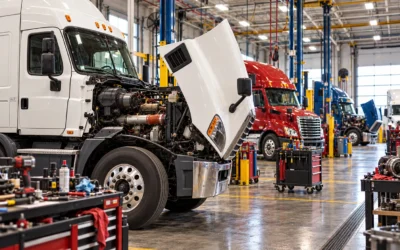
Why Is My Diesel Truck Idling Rough? Common Causes to Check
A diesel truck may start normally but feel uneven once it settles into idle. You might notice shaking, vibration, RPM changes, surging, or an engine that simply sounds rough while the truck is stopped. A diesel truck may idle rough when fuel delivery, injectors,...
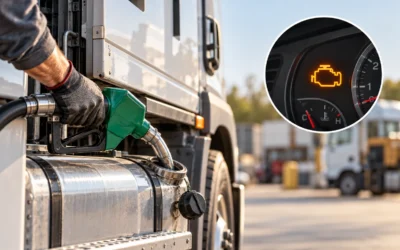
Check Engine Light On? Can Bad Gas Cause Check Engine Light to Come On in Your Diesel?
Yes, bad fuel can absolutely cause the check engine light to come on in your diesel vehicle, triggering various warning signals for underlying issues. While "gas" typically refers to gasoline, contaminants or incorrect fuel types in a diesel engine's system are...
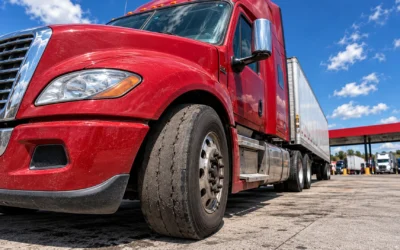
Bad Wheel Bearing Symptoms in Heavy-Duty Trucks: Noise and Warning Signs
A new humming, growling, or grinding sound near a wheel can be easy to dismiss at first. A driver may also notice vibration, unusual wheel-end heat, looseness, changing tire wear, or a difference in how the truck handles. Common bad wheel bearing symptoms can include...
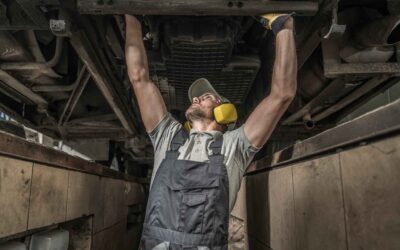
Mastering Your California BIT Inspection: The Essential Checklist for Diesel Truck Fleets
The California BIT (Biennial Inspection of Terminals) inspection checklist outlines the mandatory safety and maintenance requirements for commercial motor vehicle fleets operating within the state. This comprehensive guide helps diesel truck operators ensure...
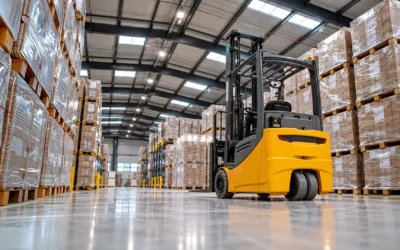
Forklift Not Lifting? Common Causes and What to Check
The forklift starts and may still drive normally, but the forks will not rise, lift much more slowly than usual, stop partway, or struggle when carrying a load. A forklift not lifting can be frustrating because the engine or drive system may appear to work normally...

Engine Hours vs. Miles: What Matters for Fleet Maintenance?
Two trucks can show similar mileage and still have very different operating histories. One may spend most of its time at highway speed, while another idles for long periods, makes frequent stops, works at jobsites, or runs PTO equipment while stationary. That is why...
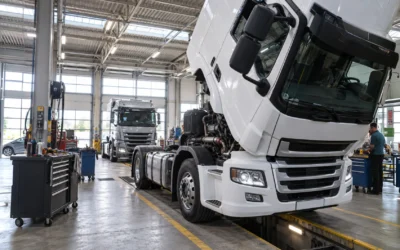
Engine Derate in Diesel Trucks: Common Causes and What to Do Next
Your truck still starts and runs, but acceleration feels weaker, pulling power drops, RPM may be limited, or road speed becomes restricted. Dashboard warnings may appear at the same time. These are common signs that the truck may have entered an engine derate...
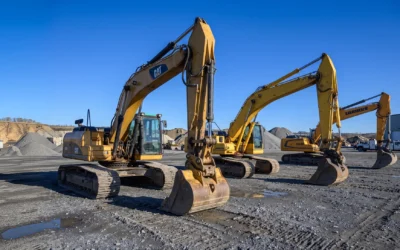
Heavy Equipment Won’t Move? Transmission and Other Common Causes
The engine starts and seems to run normally, but the equipment will not move forward, reverse, or in either direction. If heavy equipment starts and the engine runs but the machine will not move, the problem may involve the transmission, parking brake, hydraulic...
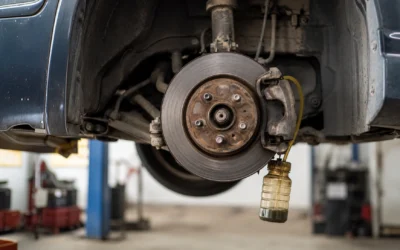
Air Brake Leaks in Trucks: Causes of Low Pressure and Warning Signs
A low-air warning appears, the pressure gauge drops unexpectedly, or your truck suddenly takes longer than usual to build air. You may also hear a recurring hissing sound or notice that pressure does not remain stable. These symptoms can point to an air brake leak,...
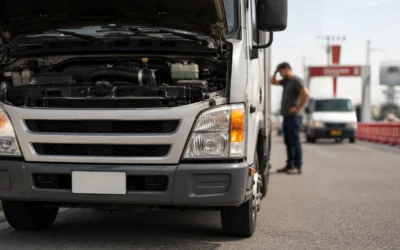
Why Is My Diesel Truck Overheating? Common Causes
When the temperature gauge climbs above normal, a warning appears, or your truck is running hot, something deserves attention. Truck overheating can happen during normal driving, while towing or hauling, on long grades, at highway speeds, during heavy jobsite work, or...
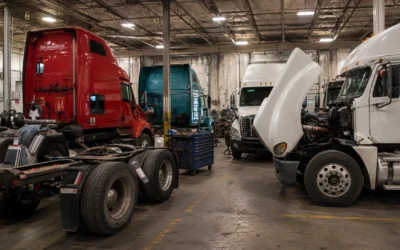
Why Is My Diesel Engine Hard to Start?
A diesel engine that is hard to start is different from a truck that will not start at all. In this situation, the engine eventually starts, but it takes longer than normal, needs several attempts, cranks slowly, or starts inconsistently. A hard-starting diesel engine...
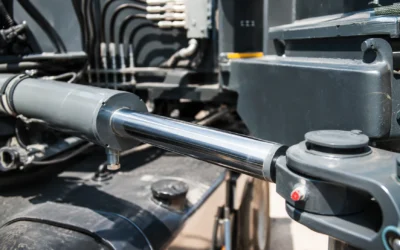
How to Tell if a Hydraulic Cylinder Is Bad: Common Signs It Needs Repair
Knowing how to tell if a hydraulic cylinder is bad can help you catch equipment problems before they turn into downtime, lost power, or bigger hydraulic system issues. In many cases, the warning signs show up early, such as hydraulic fluid leaking from the cylinder,...
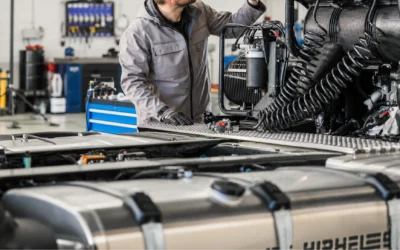
Common Reasons Trucks Fail a BIT Inspection in California
A BIT inspection helps confirm that commercial trucks in California are being maintained safely and supported by the right records. When a truck runs into trouble during this review, the cause is usually a mechanical problem, incomplete documentation, unresolved...

Can Bad Alignment Cause Truck Vibration at Highway Speeds?
Can bad alignment cause vibration in a truck? Yes, it can. Poor alignment can contribute to highway-speed vibration, especially when it causes uneven tire wear or puts extra stress on steering and suspension parts. Still, alignment is only one possible cause. If a...
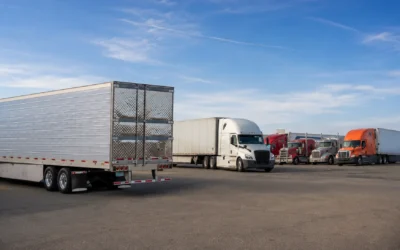
Truck Won’t Start: Common Causes and What Drivers Should Check First
When a truck won't start, the cause is not always obvious right away. It could be something simple, like a weak battery or loose connection, or it could point to a larger diesel, electrical, starter, or fuel-related problem. For truck owners, drivers, dispatchers, and...
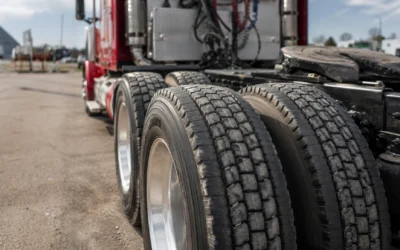
Can Preventive Maintenance for Trucks Help Reduce DOT Inspection Problems?
Preventive maintenance for trucks can help reduce DOT inspection problems by catching worn, damaged, or unsafe components before they are found during an inspection. It does not guarantee a truck will never have a violation, but it can lower risk, improve safety, and...
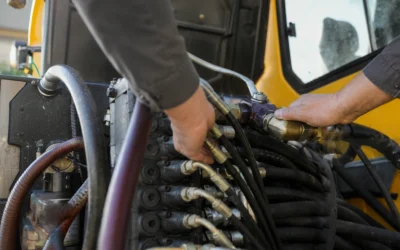
Hydraulic Hose Leaks on Heavy Equipment: Common Causes and Warning Signs
A hydraulic hose leak happens when hydraulic fluid escapes from a hose, fitting, connection point, or another damaged part of the system. On heavy equipment, even a small leak can reduce pressure, slow performance, and create bigger problems if it is ignored....